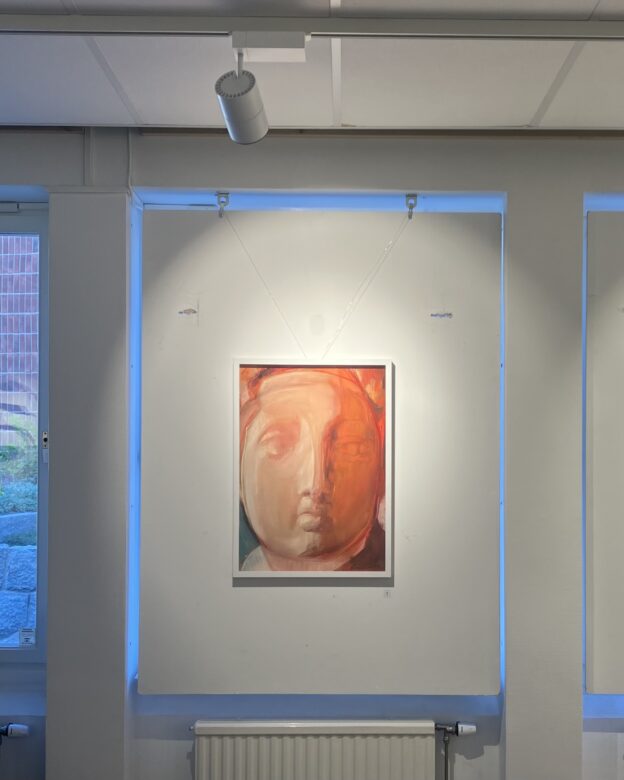
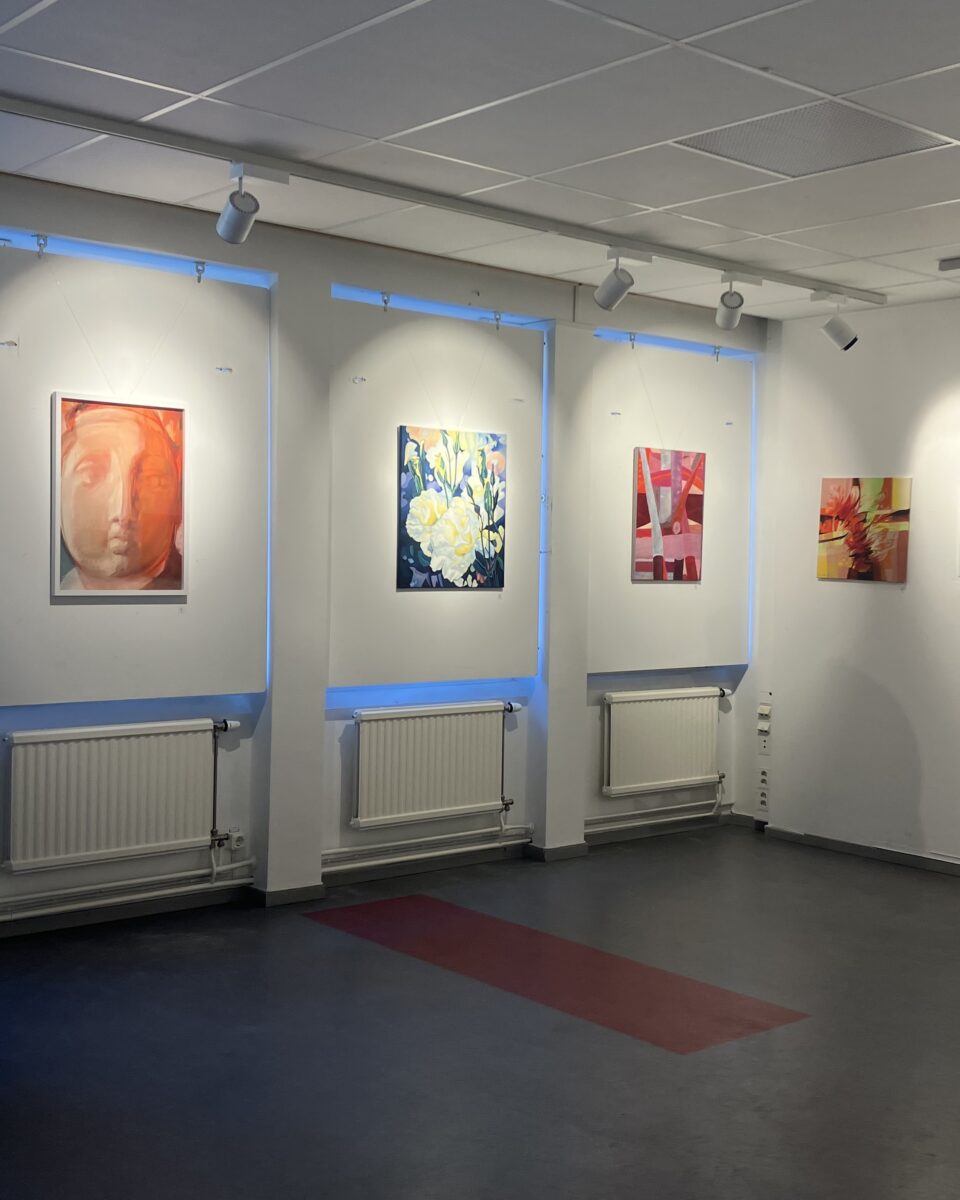
Emelie Rosén deltar i grupputställningen Rött eller vitt, på Folkets hus, Albert Aronsons torg 5, Vällingby. Utställningen arrangeras av HVK, Hässelby Vällingby konstklubb. Klubbens medlemmar är inbjudna att medverka med en tavla vardera på temat, max bredd 50 cm. Titeln på Emelies tavla är Eko, torrpastell på papper, 50×70 cm, 2025.
Vernissage lördag 3:e maj 12-16
Emelie Rosén participates in a group exhibition called Red or White, at Folkets hus, Albert Aronsons torg 5, Vällingby. The exhibition is arranged by HVK – Hässelby Vällingby art club. The members are invited to show one painting each on the theme, maximum width 50 cm. The title of Emelie’s painting is Eko, soft pastel on paper, 50×70 cm, 2025.
Opening Saturday the 3rd of May
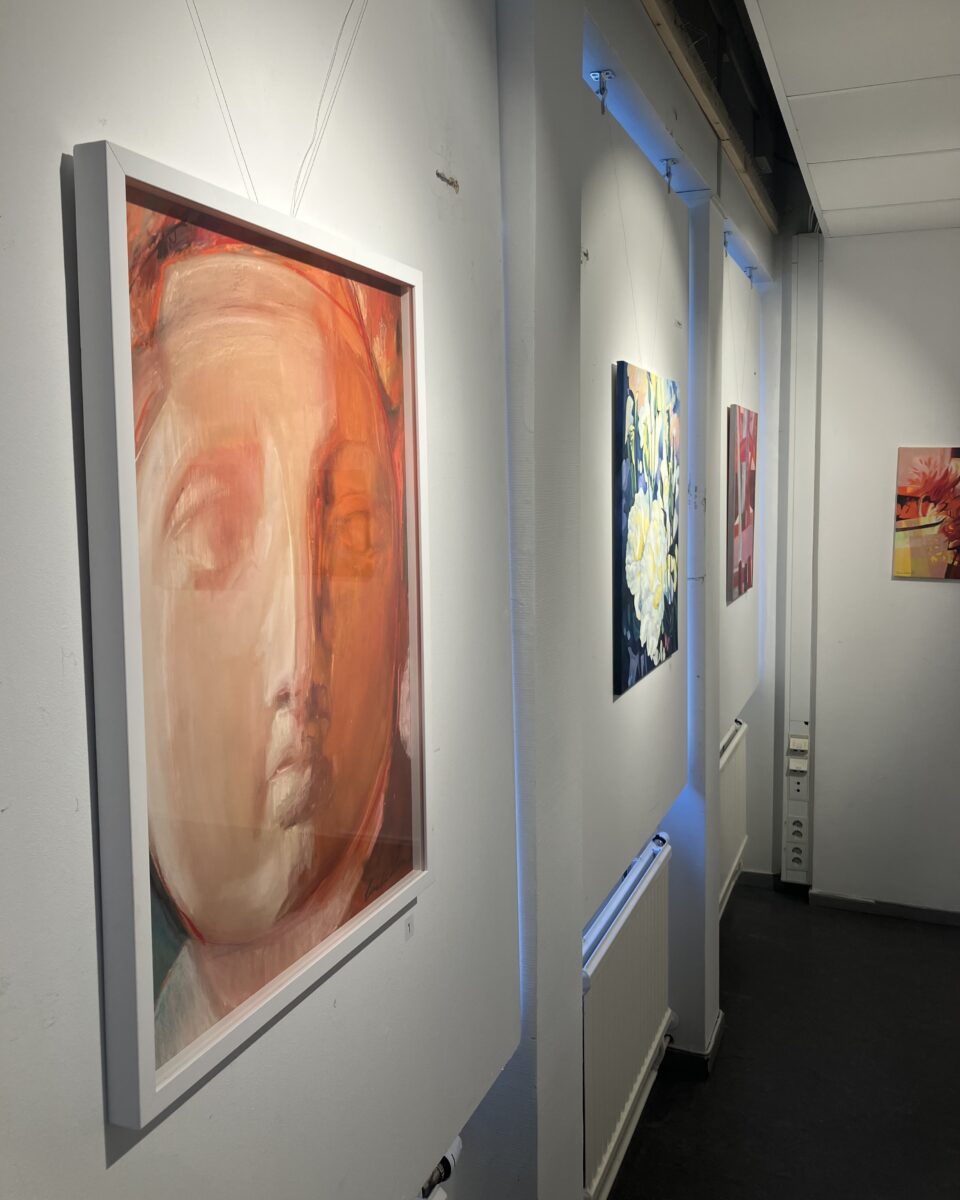
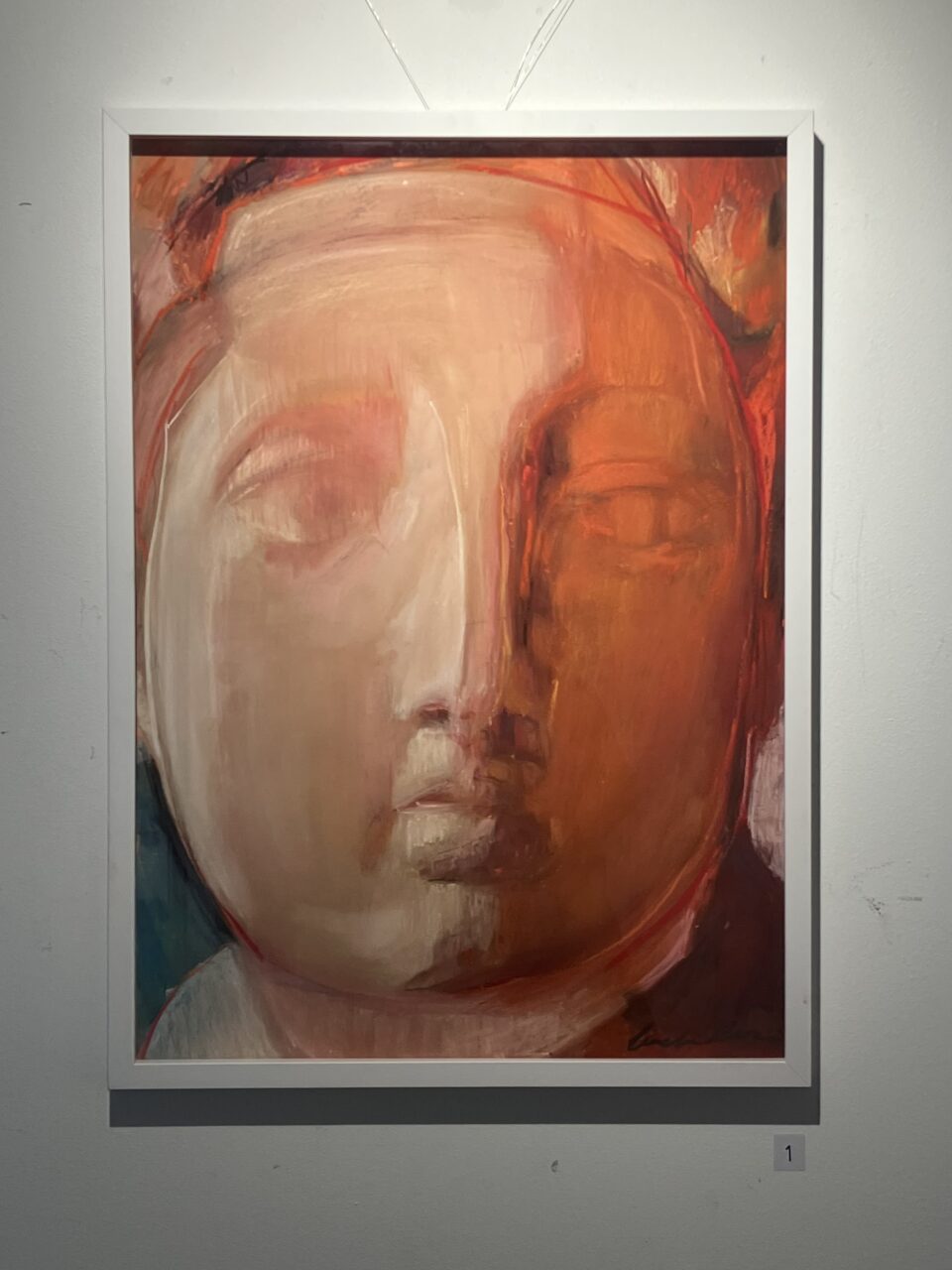

I det konstnärliga projektet Eko, undersöker Rosén förhållandet mellan det förflutna och nuet genom teckningar av äldre skulpturer.
Namnet Eko anspelar på ljudfenomenet där ljud reflekteras och hörs med fördröjning, som om det kommer från en annan tid. På samma sätt fungerar Roséns porträtt som reflektioner, en fördröjning av något som varit.
Projektet föddes ur personlig omvälvning, då ett allvarligt sjukdomsbesked tvingade konstnären att hitta en väg att bearbeta sina tankar och känslor. För att undkomma den känslomässiga tyngden vände sig Rosén till museer, loppmarknader och antikaffärer, där hon fann tröst och stillhet genom att betrakta skulpturer. Ansikten, ofta anonyma och ospecificerade, blev en port till andra tider och förlorade liv.
Projektet rör sig bortom det enskilda jaget och belyser universella teman om förlust, tidens gång och hur vi förhåller oss till vår egen historia – en påminnelse om att det förflutna alltid är närvarande i vårt nu.
In the artistic project Eko, Rosén explores the relationship between the past and the present through drawings of older sculptures. The name Eko alludes to the sound phenomenon where sound is reflected and heard with a delay, as if it comes from another time. In the same way, Rosén’s portraits function as reflections, a delay of something that has been. The project was born out of personal upheaval, when a serious illness forced the artist to find a way to process her thoughts and feelings. To escape the emotional weight, Rosén turned to museums, flea markets and antique shops, where she found solace and stillness by looking at sculptures. The faces, often anonymous and unspecified, became a gateway to other times and lost lives. The project moves beyond the individual self and illuminates universal themes of loss, the passage of time and how we relate to our own history – a reminder that the past is always present in our present.